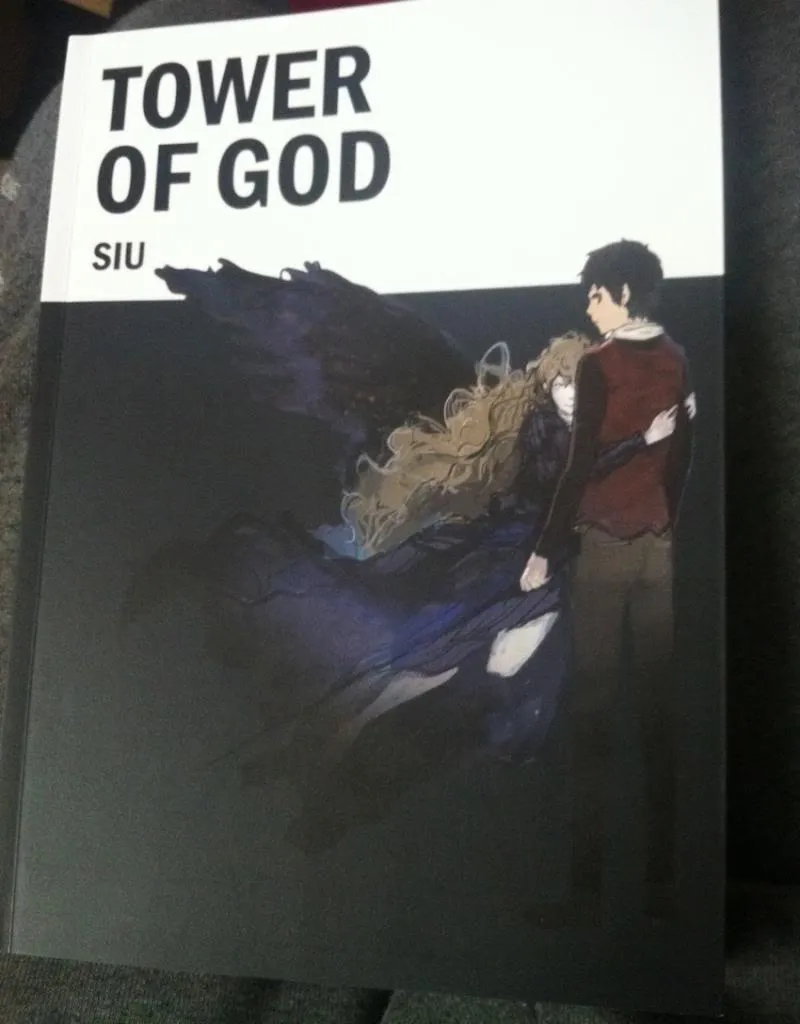
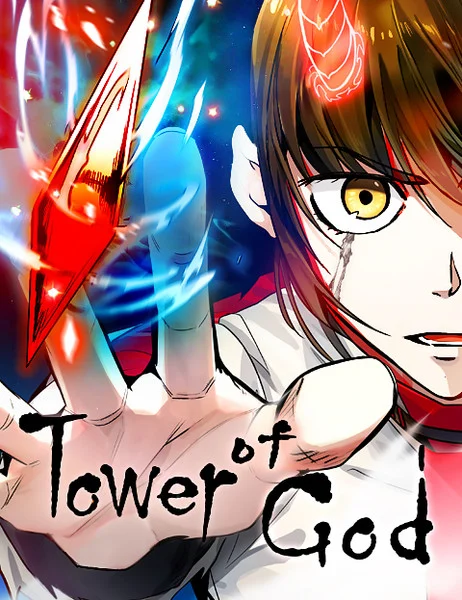
This is a WIP of an archive of Tower of God content. This is run by one person so please be patient! Within this website I will attempt to host as much of the content as I can here to minimize the chance of it being lost from another source taking it down. This will unfortunately not be the case with images as I have a storage limit.
The real name of the writer 'SIU' is Lee Jong-hui(27). He is still being cautious of revealing his name and face since he worries that his personal information might hinder the readers from getting immersed in his work. Since he started his work in June 2010, he had indulged himself only on the work and turned down any fan meeting or news interview saying, "Not yet." The < Tower of God > is that valuable to him.
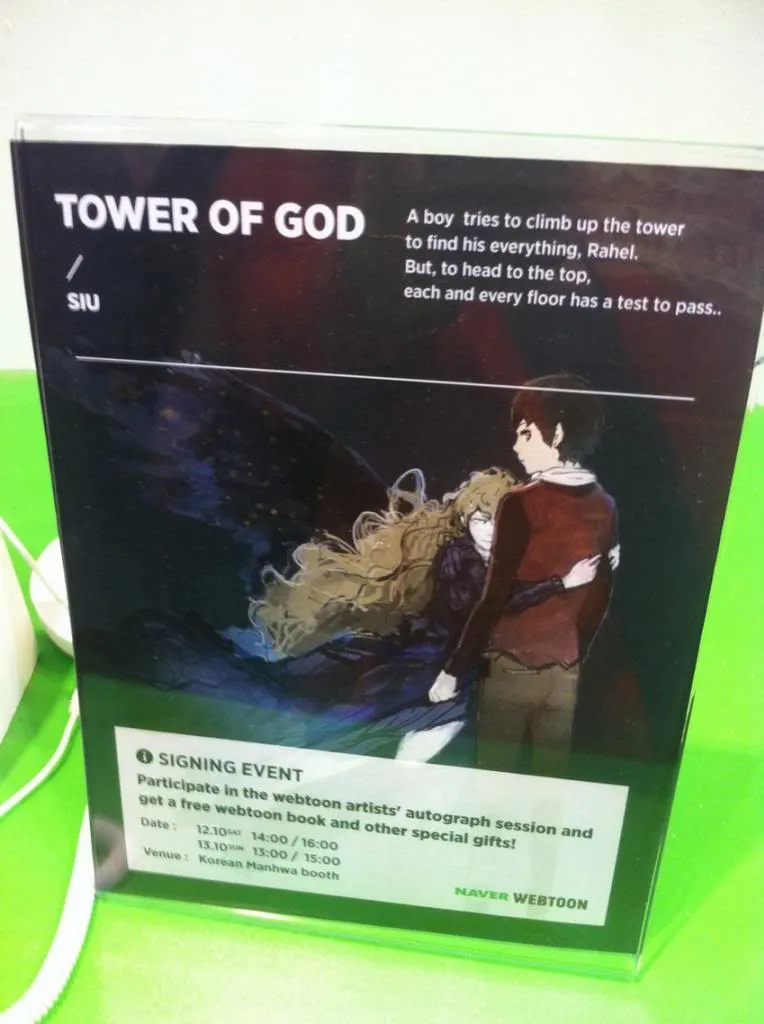
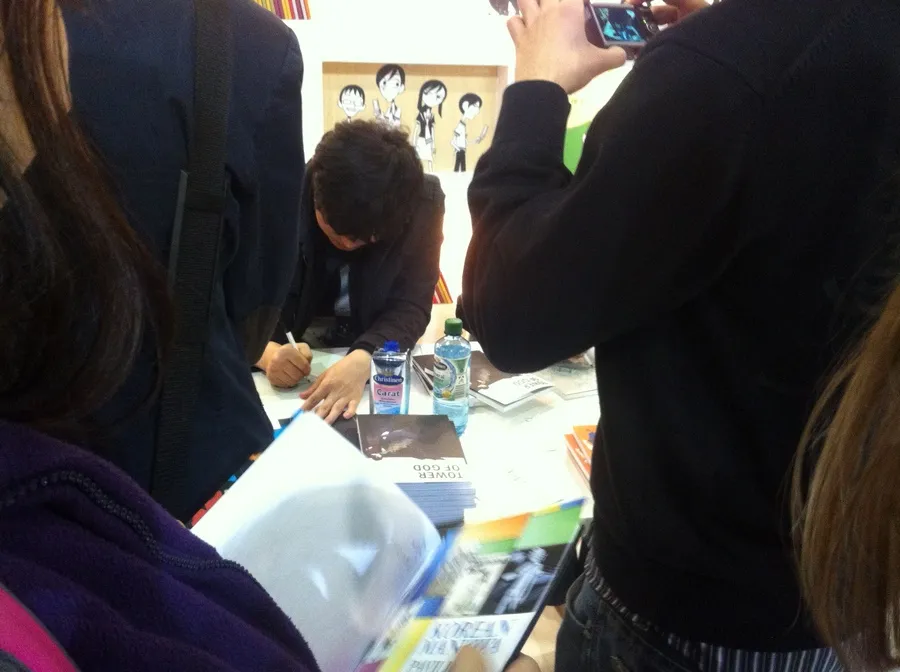
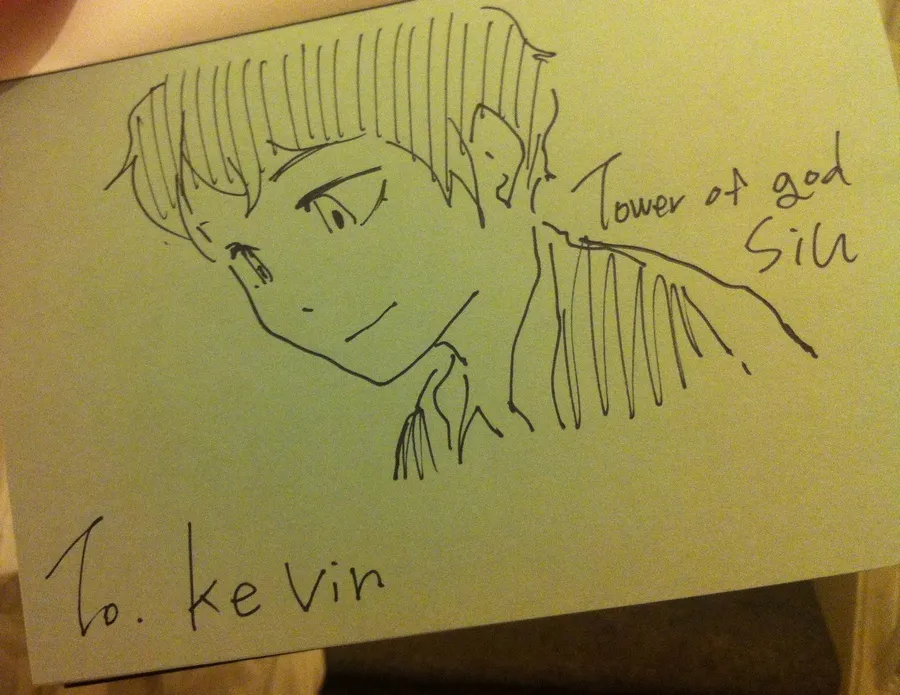
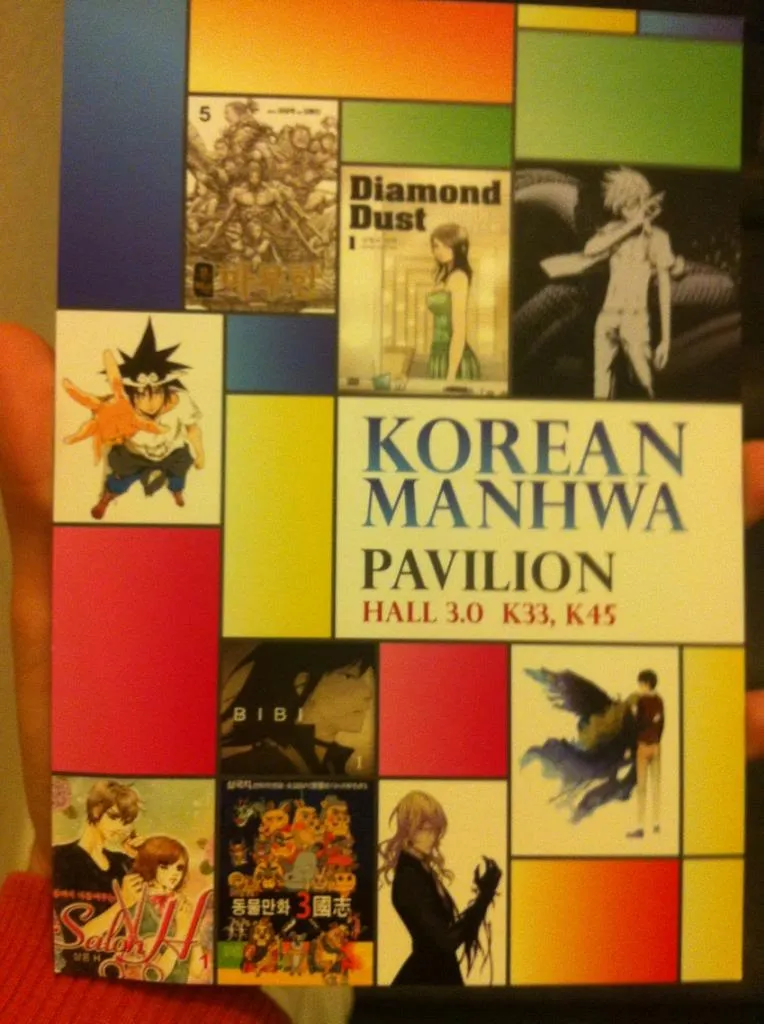
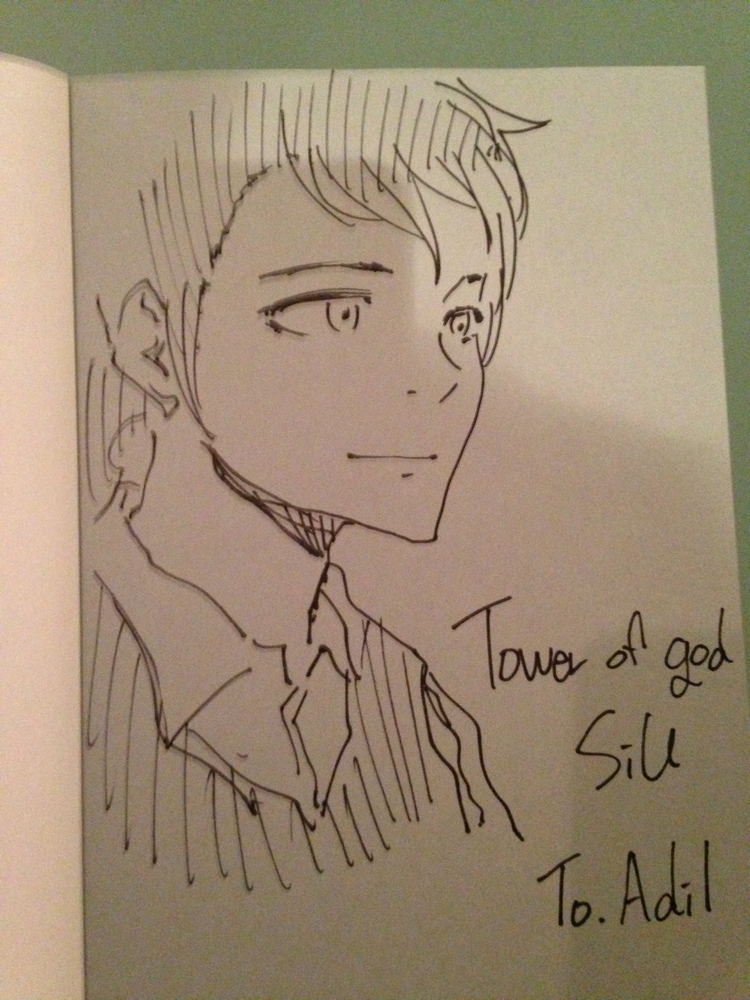
The < Tower of God > is at the top of its fame, setting the new record of '660,000 comments in one episode.' Yet since he had never met with his fans, he was very anxious, thinking "Would it be really possible to meet my fans in Germany." Despite his worries, the people flooded in front of him to get his signature and see his face. Hundreds of people formed lines in the narrow both, like waves of the ocean.Despite spending two hours of signing, the webtoon artists were unable to finish all the fans standing in the long lines. For the signing event that was continued on the next day, they gave out number tickets. Ohlmann(26), who lives in Berlin, says "I heard that the author of the < Tower of God > was coming, so I came all the way to Frankfurt." He printed every characters' images and asked SIU for his signature.
The < Tower of God > is his first work. He majored in Art Education in college and went into the military after. There, he was recommended by his senior to start drawing manhwa. He drew the story as it came to his mind, on a sketchbook with a spring binding. The story was about 'A boy who came into a tower after chasing a girl whom has meant him everything, and a tower that tests the boy.' By the time when was leaving the military, he already had ten sketchbooks. What he drew at that time became the backbone of the < Tower of God >.
After he returned to the college, he spent his junior year drawing manhwa and posting it on the Naver's 'Challenge' section. It was the choice he made when his other friends were busy finding jobs. It wasn't easy to do challenge. His 2~3 practice works before the < Tower of God > were gone without notice. The chance for him to become a professional did not come easy.
He pulled himself together, and opened the spring notebook from the military again and started working on the < Tower of God >. For one and a half year he had been doing a 'series for himself only,' and then, finally, Naver called him to do an 'official serialization.' He recalls, "I thought someone was pulling a scam." He started his manhwa life in junior year and finally became a professional in the 2nd semester of his senior year. From his friends' points of view, SIU was "successful in getting the job." That is how his official debut happened. After that, the < Tower of God > quickly gained popularity at a surprising pace.
There is something that comes to his mind when he draws manhwa. "I had once did my teaching practice in a high school where only students with good grades are enrolled. I have asked them to draw a line and use it to express their current situation, and most of them drew themselves below the line, and others above the line." SIU says that he wanted to draw a story that features people who are struggling in the excessively competitive world. He is now drawing the manhwa that tells such story after surviving through a severe competition himself.
The reason why he likes manhwa is because of its 'honesty.' "I think the result of manhwa is directly related to how hard I have tried. It costs a lot to make a movie or something in real life in a large scale, but in the world of manhwa, the drawing can become a huge ship or a spectacular place as I draw." SIU says that he is someone who "loses interest in something easily" but for manhwa, he "likes it more and more since the day he first practiced drawing it in the military." His manhwa life has just begun.In a excessively competitive world, SIU who wanted to draw people who were struggling inside of it, in fact, is now serializing his work after surviving the intense competition of challenge manhwas.
^ The original article in Korean can be found here
Tower of God, one of the most iconic titles on WEBTOON, has captivated global readers with over 1.3 billion cumulative views. Since its debut, the series has evolved into a full-fledged franchise, with adaptations in anime, mobile games, and other formats. Despite its immense popularity worldwide, its creator, SIU, had never met his North American fans in person before.
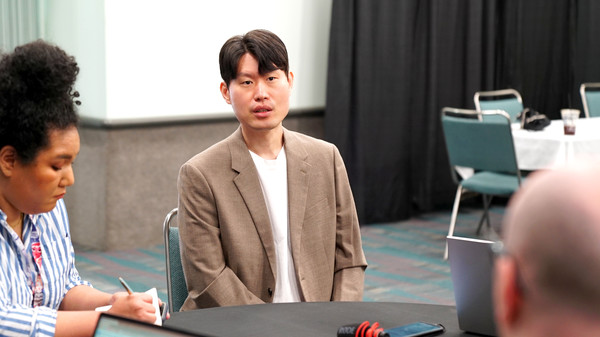
That changed at Anime Expo 2025 in Los Angeles, where SIU made his long-awaited debut appearance. The author, known for being reclusive and rarely making public appearances even in Korea, was welcomed with overwhelming enthusiasm. Though soft-spoken, SIU spoke with clarity and conviction, especially when asked about his creative vision and long journey as a storyteller.
Through panels and autograph sessions, SIU was finally able to engage face-to-face with the international community that has followed his work for more than a decade. His answers revealed the deep thought behind his expansive world-building, the evolving nature of Tower of God, and the emotional connection he shares with his readers.
How did it feel to meet North American fans for the first time?
SIU: The weather was amazing here, and the food was great. I could feel the fans' passion—they were very clear about what they love. Even though we'd just met, it felt like I'd known them for a long time. We were able to discuss the series naturally, even though we'd never met before.
Was there a moment with fans that left a strong impression?
SIU: One fan told me they made new friends because of the series. That really touched me. When I hear things like that, it makes me feel like Tower of God has become more than just a WEBTOON—it's become part of a culture. If my work can have that kind of influence, especially at a place like Anime Expo, I'm truly happy.
Your series often includes references to soccer or music. Is there a reason for that?
SIU: I've tried to hold back on that recently, but the comic tends to reflect whatever I'm interested in at the time. Since Tower of God is structured around positions in battle, I naturally borrowed from soccer terms. And because the world is so multicultural, universal themes like music and sports seem to fit well.
As a creator, where do you feel you've grown the most?
SIU: I think creators always need to evolve their ideas. Keeping readers from getting bored is the top priority. I'm always thinking about how to make stories that readers can enjoy.
Has the story changed much from what you first imagined during your military service?
SIU: Yes, a lot. Stories grow just like people do. Even during serialization, the plot has changed. As readers get older, too, it's natural that the direction of the story shifts with them.
Why did you choose to give Urek Mazino a side story?
SIU: He's such a popular character, and his personality is the complete opposite of Bam's, which makes for a strong contrast. Many creators want to write characters who feel like protagonists—Urek definitely has that vibe. Someday, I'd like to write a spinoff that focuses on a character who doesn't feel like a main lead.
What's it like to have worked on one series for over a decade?
SIU: It's exhausting, honestly (laughs). In the early days, the WEBTOON system wasn't fully developed, unlike the well-established manga industry in Japan. However, I believe that if we continue, we can eventually emerge as a leading player in the global market.
Why do you think Tower of God was one of the first webtoons to gain global popularity?
SIU: I'm not sure, exactly. I think readers who were used to Japanese manga were looking for something familiar yet new, and Tower of God happened to meet that need. I also grew up reading manga, which influenced my work. However, we're now seeing a new wave of creators who grew up on webtoons, and they're gaining global attention as well. It feels like the landscape is becoming more diverse.
In your view, what's the biggest difference between manga and webtoons?
SIU: The platforms are fundamentally different. Manga is built for print; webtoons are built for the web. The speed of feedback is completely different—manga requires one or two volumes before feedback comes in, whereas webtoons receive reactions after just one or two episodes. That speed is a big strength for webtoons.
When creating, do you start with the story or the characters?
SIU: I usually start with the story and then add characters into it. However, as the story unfolds, the characters sometimes take on a life of their own and steer the narrative in unexpected directions. Reader feedback also plays a big role in those changes.
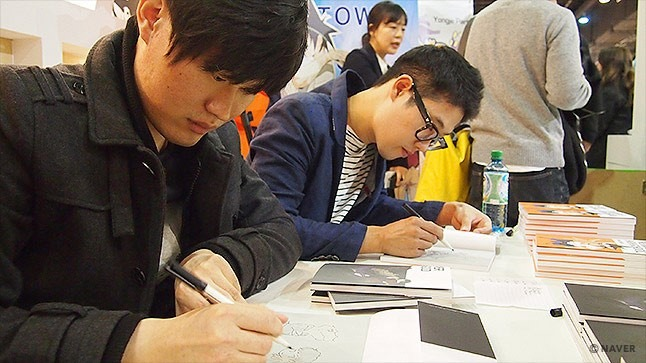 The real name of the writer 'SIU' is Lee Jong-hui(27). He is still being cautious of revealing his name and face since he worries that his personal information might hinder the readers from getting immersed in his work. Since he started his work in June 2010, he had indulged himself only on the work and turned down any fan meeting or news interview saying, "Not yet." The < Tower of God > is that valuable to him.
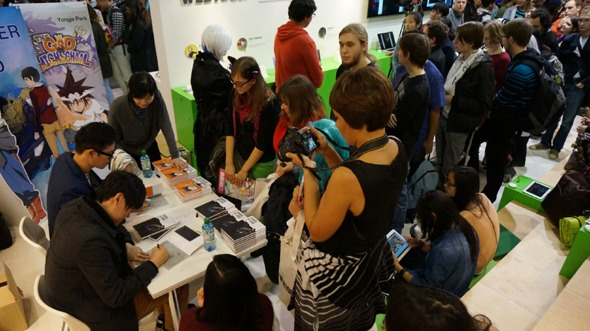 Despite spending two hours of signing, the webtoon artists were unable to finish all the fans standing in the long lines. For the signing event that was continued on the next day, they gave out number tickets. Ohlmann(26), who lives in Berlin, says "I heard that the author of the < Tower of God > was coming, so I came all the way to Frankfurt." He printed every characters' images and asked SIU for his signature.
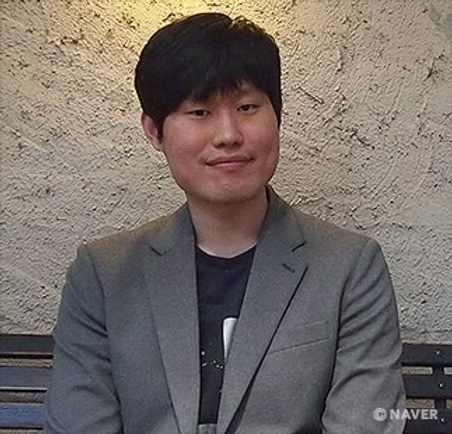 In a excessively competitive world, SIU who wanted to draw people who were struggling inside of it, in fact, is now serializing his work after surviving the intense competition of challenge manhwas.